
With 22 years in the mental health and recovery field, Natasha is dedicated to helping individuals build confidence, recognize their potential, and achieve lasting healing. She has experience across the criminal justice system, foster care, and child and adolescent mental health, with a primary focus on adults facing co-occurring mental health and substance use challenges. She was drawn to Holgate Mental Health for its person-centered approach, commitment to treating individuals with dignity and respect, and the team’s ability to provide compassionate, meaningful support.
Autism Spectrum Disorder in Montvale, New Jersey
This service page details Holgate Mental Health’s adult treatment approaches for Autism Spectrum Disorder (ASD) in Montvale, New Jersey, focusing on individualized care for neurodivergent individuals and common co-occurring mental health challenges.
Sometimes, the hardest part of getting through the day isn’t what other people see. It may be the effort required to navigate a busy workplace, the exhaustion that follows a long social interaction, or the frustration of trying to explain feelings that are difficult to put into words. For some autistic adults, these experiences can accumulate over time, particularly when anxiety, depression, trauma, or prolonged stress make everyday responsibilities harder to manage.
At Holgate Mental Health in Montvale, New Jersey, adults aged 18 and older can explore structured outpatient mental health treatment through Partial Hospitalization Program (PHP) and Intensive Outpatient Program (IOP) services. These programs support eligible adults experiencing mental health concerns that may occur alongside Autism Spectrum Disorder (ASD). Located at 155 Chestnut Ridge Rd, Lower Level 103, Montvale, NJ 07645, Holgate serves adults in Bergen County, North Jersey, and the Southern Tier of New York. Finding appropriate support starts with understanding your needs and exploring which level of care may be right for you.
Understanding Autism Spectrum Disorder in Montvale in Adults
Autism Spectrum Disorder is a neurodevelopmental condition that can influence communication, sensory processing, social experiences, and responses to routines or changes. Autism varies from person to person: some autistic adults prefer predictable routines and direct communication, while others may find certain sounds, lighting conditions, social expectations, or unexpected changes particularly draining. Autistic people also have individual strengths, interests, and problem-solving abilities, and there is no single way to experience autism.
Some people receive an autism diagnosis during childhood, while others discover they are autistic later in life. Adults who have spent years adapting to environments that do not accommodate their needs may find it difficult to recognize when they are becoming overwhelmed, especially when they have learned to hide their discomfort or push through stressful situations.
Autism itself is not something that needs to be eliminated. Instead, mental health support can address concerns that affect a person’s well-being, including anxiety, depression, trauma, emotional distress, and difficulties with daily functioning. At Holgate Mental Health, outpatient treatment planning can focus on appropriate co-occurring mental health concerns while taking each person’s communication preferences, individual needs, and treatment goals into account.

Common Mental Health Challenges for Autistic Adults
Being autistic does not automatically mean someone will experience mental health difficulties. However, ongoing stress, inaccessible environments, unmet support needs, and the pressure to meet expectations can affect emotional well-being. Recognizing these experiences can help autistic adults and their loved ones understand when additional support may be beneficial.
1. Autistic Burnout and Persistent Exhaustion
Autistic burnout is often described as a period of significant physical, emotional, and mental exhaustion that may develop after prolonged stress, excessive demands, sensory overload, or sustained efforts to meet expectations that feel difficult to maintain. Someone experiencing burnout may struggle with tasks that previously felt manageable, need more recovery time after social interactions, or find everyday sensory input harder to tolerate. Rest, reduced demands, appropriate accommodations, and professional support may help, particularly when burnout occurs alongside anxiety or depression.
2. Social Masking and the Pressure to Fit In
Social masking, sometimes called camouflaging, involves consciously or unconsciously adjusting behavior to meet perceived social expectations. An autistic adult might rehearse conversations, monitor facial expressions, imitate other people’s communication styles, or hide behaviors that help them regulate their emotions. Although masking may help someone navigate particular environments, maintaining it over long periods can become exhausting, especially when they feel unable to express their needs openly. Mental health support can help individuals explore boundaries, understand stress responses, and identify situations where they feel more comfortable communicating authentically.
3. Anxiety and Difficulty Managing Uncertainty
Unpredictable schedules, complicated social situations, sensory discomfort, and sudden changes can contribute to anxiety for some autistic adults. Anxiety may also arise from circumstances unrelated to autism, such as work pressures, family responsibilities, health concerns, or previous negative experiences. When worry becomes persistent or begins interfering with sleep, relationships, or everyday responsibilities, professional support can help identify contributing factors and develop practical coping strategies.
4. Depression and Feelings of Isolation
Repeated misunderstandings, social exclusion, chronic stress, and difficulty finding supportive environments can affect emotional well-being. For some autistic adults, depression may involve persistent sadness, reduced interest in activities, low energy, changes in sleep, or a sense of disconnection from others. These symptoms should not automatically be attributed to autism. Depression is a separate mental health concern that deserves appropriate assessment and individualized care.
5. Executive Functioning Difficulties
Executive functioning includes skills such as planning, organizing, starting tasks, managing time, and transitioning between activities. Some autistic adults find these tasks particularly difficult during periods of stress or emotional overload. Even a seemingly simple responsibility, such as answering emails or organizing an appointment, can feel overwhelming when several demands compete for attention. Breaking tasks into smaller steps, using visual reminders, establishing predictable routines, and addressing underlying anxiety may make everyday responsibilities more manageable.
6. Sensory Overload
Bright lights, overlapping conversations, crowded spaces, strong smells, and uncomfortable textures can be difficult for people with certain sensory sensitivities. When sensory demands accumulate, a person may need to leave the environment, reduce stimulation, or take time alone to recover. Recognizing sensory triggers and communicating accommodation needs can help reduce unnecessary stress. Mental health care should also consider the treatment environment itself, including noise levels, lighting, privacy, and opportunities for breaks where feasible.
7. Difficulty Identifying or Expressing Emotions
Some autistic people experience alexithymia, a term describing difficulty identifying or describing emotions. It is not universal among autistic people, but it can make emotional experiences harder to recognize before they become overwhelming. For example, someone might notice physical tension, irritability, or a desire to withdraw without immediately realizing they are anxious or upset. Therapy can help build emotional awareness using approaches suited to individual communication preferences, such as written reflections, visual tools, concrete examples, or additional processing time.
If these experiences are affecting your quality of life, outpatient mental health support in Montvale, New Jersey, may be an option to discuss with a qualified clinician.
When Should an Autistic Adult Consider Outpatient Mental Health Treatment?
Not every challenge requires an intensive treatment program. For many people, regular outpatient therapy, workplace accommodations, community resources, or other forms of support may be sufficient. However, a more structured level of care may be worth discussing with a mental health professional when:
- Anxiety or depression makes everyday responsibilities increasingly difficult to manage.
- Emotional distress affects relationships, employment, education, or sleep.
- Sensory stress and prolonged exhaustion contribute to a noticeable decline in daily functioning.
- Weekly therapy sessions do not provide enough support during a particularly difficult period.
- You are transitioning from a higher level of psychiatric care and need continued structured treatment.
- You would benefit from more frequent therapeutic contact while continuing to live at home.
The appropriate level of care depends on an individual’s symptoms, safety needs, clinical assessment, and ability to participate in treatment.
Holgate Mental Health offers PHP and IOP services for adults who need structured outpatient mental health care. Prospective clients should discuss their specific needs with the admissions and clinical teams to determine whether these programs are appropriate.
Mental Health Treatment That Respects Neurodiversity
Good mental health care should begin with the person, not with assumptions about what autism looks like. For autistic adults, this can mean taking time to understand communication preferences, sensory needs, sources of stress, personal strengths, and the goals that matter most to the individual.
A neurodiversity-affirming approach does not require someone to behave less autistically. Instead, it focuses on improving well-being, reducing distress, strengthening coping skills, and helping the individual navigate daily life in ways that feel sustainable.
At Holgate Mental Health in Montvale, New Jersey, treatment planning can address co-occurring mental health concerns through an individualized clinical assessment. Depending on the person’s needs and the services available, treatment may incorporate the following approaches.
Dialectical Behavior Therapy (DBT)
Dialectical Behavior Therapy teaches skills for managing intense emotions, tolerating distress, practicing mindfulness, and navigating relationships. For an autistic adult, potentially helpful adaptations may include clear instructions, concrete examples, predictable session structures, and additional time to process new information. The goal is to develop tools for responding to stressful situations while respecting individual communication and sensory needs, not to suppress natural autistic traits.
Cognitive Behavioral Therapy (CBT)
Cognitive Behavioral Therapy explores the relationships between thoughts, emotions, and behaviors. When clinically appropriate, CBT may help someone recognize anxiety patterns, examine unhelpful assumptions, and develop more manageable responses to everyday stressors. For autistic clients, therapy may be more accessible when concepts are explained explicitly and connected to real-life situations rather than relying on vague or highly abstract language.
EMDR and Trauma-Informed Therapy
Some autistic adults have experienced bullying, rejection, discrimination, or other distressing events, while others have trauma histories unrelated to autism. Eye Movement Desensitization and Reprocessing (EMDR) is a therapy used for certain trauma-related concerns. Whether it is appropriate depends on the individual’s clinical presentation, readiness, preferences, and treatment plan. A trauma-informed approach emphasizes emotional safety, collaboration, and respect for personal boundaries.
Individual Psychotherapy
Individual therapy provides space to discuss personal concerns without the additional demands of a group setting. Sessions may focus on anxiety, depression, relationship boundaries, self-advocacy, stress management, or the emotional effects of long-term masking. A therapist can also help clients identify practical changes that may reduce unnecessary stress in their daily environments.
Group Therapy and Peer Connection
Group therapy offers opportunities to hear different perspectives, practice communication skills, and recognize that others may be navigating similar emotional challenges. Group settings are not comfortable or helpful for everyone, so participation should reflect individual needs and treatment goals. Before beginning, autistic adults may want to ask about group size, session structure, communication expectations, sensory conditions, and available accommodations.
Psychiatric Evaluation and Medication Management
When symptoms warrant it, a psychiatric evaluation may help determine whether medication could be useful for a co-occurring condition, such as anxiety or depression. Medication does not treat autism itself. Decisions about psychiatric medication should be individualized and made with an appropriately qualified prescriber, taking potential benefits, side effects, and personal preferences into account.
Complementary Wellness Activities
Some people find guided relaxation, meditation, gentle movement, or structured time in calming environments helpful for managing stress. These activities may complement clinical treatment, but they are not substitutes for appropriate mental health assessment or evidence-based care when needed. The most useful approach takes an individual’s preferences seriously rather than assuming the same techniques will work for everyone.
PHP vs. IOP: Which Outpatient Program May Be Appropriate?
When mental health symptoms become difficult to manage, choosing the right level of support can feel confusing. Partial Hospitalization Programs and Intensive Outpatient Programs both provide structured treatment while allowing clients to return home rather than stay overnight in a residential facility.
However, they differ in intensity and scheduling.
Partial Hospitalization Program (PHP)
A Partial Hospitalization Program generally provides a more intensive schedule of therapeutic services than a standard outpatient appointment or an IOP. It may be appropriate for adults who need frequent clinical support for significant mental health symptoms but do not require inpatient hospitalization. Depending on the provider, a PHP may include individual treatment planning, group-based interventions, psychiatric services, and structured therapeutic activities.
For an autistic adult experiencing significant anxiety or depression, a PHP may offer more consistent support during a difficult period, provided the program is clinically appropriate and can accommodate the person’s needs.
Intensive Outpatient Program (IOP)
An Intensive Outpatient Program provides structured treatment several times per week, typically for fewer hours than a PHP. It may be suitable for people who need more support than traditional weekly therapy but can manage their symptoms and daily responsibilities with a less intensive schedule. IOP may also serve as a step-down option for someone transitioning from a more intensive treatment setting.
Understanding the Differences
| Program feature | PHP | IOP |
| Treatment intensity | Generally higher | Generally lower than PHP |
| Schedule | Often multiple full or substantial treatment days each week | Often several sessions per week |
| Primary purpose | Intensive support for significant symptoms | Structured treatment with a comparatively lighter schedule |
| Living arrangements | Return home after treatment | Return home after sessions |
| Potential fit | Adults who need frequent clinical support | Adults who can participate safely with less intensive support |
Program schedules, admission criteria, and services vary by provider. Confirm Holgate Mental Health’s current PHP and IOP schedules directly before making a decision.
Neither program is automatically the best option for every autistic adult. The right choice depends on clinical needs, current functioning, safety considerations, treatment goals, and the accommodations a program can reasonably provide.

What Makes Outpatient Mental Health Care More Accessible for Autistic Adults?
A treatment program can offer therapeutic services and still be difficult to navigate if its environment or communication style creates unnecessary stress. Accessibility involves more than appointment availability. It also includes how information is communicated, how expectations are explained, and whether sensory and individual needs are taken seriously.
When evaluating outpatient mental health care in Montvale, NJ, consider asking these questions:
- Are expectations explained clearly? Knowing what will happen during a session can make unfamiliar situations easier to navigate.
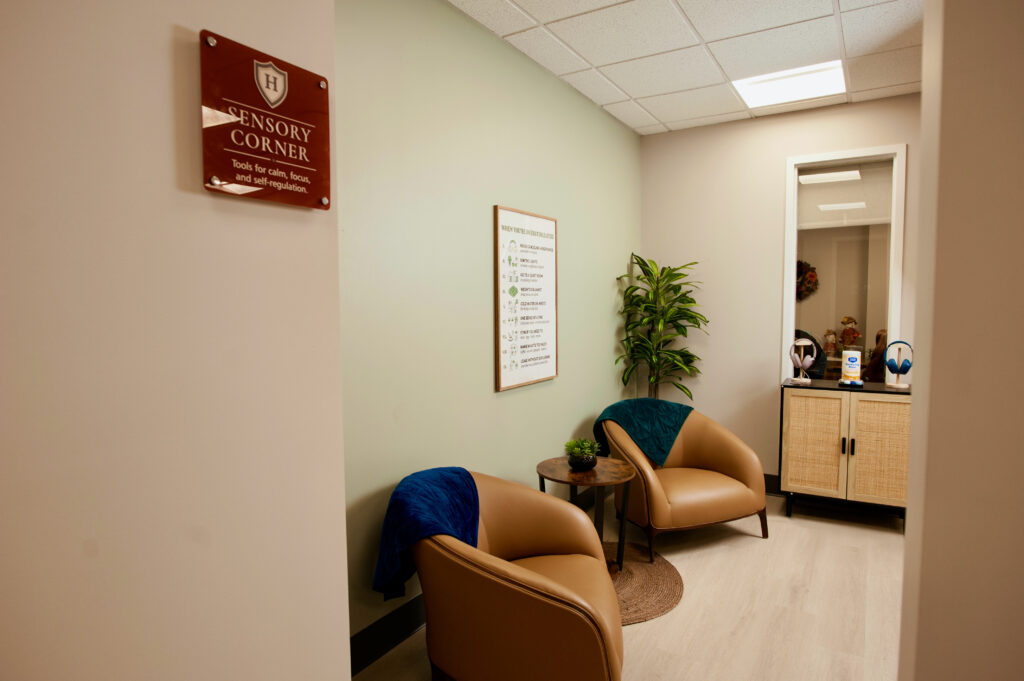
- Can sensory needs be discussed in advance? Ask about noise, lighting, quiet spaces, and opportunities for breaks.
- Are different communication styles respected? Some people communicate more comfortably through direct language, written notes, or additional processing time.
- Can treatment goals be individualized? Goals should reflect the person’s well-being and priorities rather than pressure to appear neurotypical.
- How are group sessions structured? Ask about group size, participation expectations, and whether alternative arrangements may be considered when appropriate.
- Is family involvement optional and collaborative? When relevant, family participation should respect adult clients’ preferences, privacy, and consent.
These questions can help you evaluate whether a program is a good fit before committing to treatment. Prospective clients should ask Holgate Mental Health directly which accommodations and autism-specific supports are currently available so they can make an informed decision.
Supporting an Autistic Adult Beyond the Therapy Room
Mental health treatment is only one part of supporting an autistic adult. Everyday environments and relationships can also influence stress levels, emotional well-being, and recovery. Small, practical adjustments may make daily life easier, especially when they reflect the person’s own preferences and needs.
- Create more predictable routines. Shared calendars, reminders, and advance notice of schedule changes can reduce uncertainty for some people.
- Make room for sensory needs. Noise-reducing headphones, comfortable clothing, quieter spaces, or planned breaks may help when sensory demands become overwhelming.
- Communicate directly. Clear language is often more useful than hints, ambiguous instructions, or expecting someone to infer what another person means.
- Respect recovery time. After a demanding day, some people need solitude or reduced stimulation. This does not necessarily mean they are upset or uninterested in connecting.
- Avoid assumptions about independence. Someone may be highly capable in one area and need additional support in another. The right balance depends on the individual.
- Listen before offering solutions. Ask what would help rather than assuming every difficult experience requires advice, reassurance, or a change in behavior.
For family members and partners, meaningful support often begins with curiosity and respect. Understanding how someone experiences the world can be more helpful than trying to make them fit a particular set of expectations.
Frequently Asked Questions
What support is available for Autism Spectrum Disorder in Montvale, New Jersey?
Adults in Montvale who are autistic and experiencing co-occurring mental health concerns may consider individual therapy, psychiatric evaluation, or structured outpatient programs, depending on their needs. Holgate Mental Health offers PHP and IOP services for eligible adults seeking treatment for mental health conditions. Contact the center to confirm whether its current services and accommodations are appropriate for your circumstances.
Does Holgate Mental Health diagnose Autism Spectrum Disorder?
Do not assume that general mental health treatment includes autism diagnostic evaluations. If you are seeking an initial diagnosis, ask Holgate Mental Health whether it provides adult autism assessments or can refer you to a qualified diagnostic professional.
What is the difference between PHP and IOP?
A Partial Hospitalization Program generally provides more intensive treatment, often across substantial portions of the day on multiple days each week. An Intensive Outpatient Program generally involves fewer treatment hours. The appropriate option depends on symptom severity, clinical needs, safety, and the provider’s assessment.
Can autistic adults receive treatment for anxiety and depression?
Yes. Autistic adults can receive treatment for co-occurring conditions such as anxiety and depression. Treatment should be individualized and may involve psychotherapy, psychiatric evaluation, medication when appropriate, and practical changes to reduce environmental stress.
Is outpatient mental health treatment a good fit for every autistic adult?
No. Some people benefit from standard outpatient therapy, while others may need a more intensive program or a different type of service. The decision should be based on an individualized assessment, current symptoms, safety needs, and the availability of appropriate support.
Does Holgate Mental Health offer addiction or detox treatment?
Holgate Mental Health has been described as focusing on primary adult mental health treatment rather than addiction detox services. Contact the center directly to confirm its current scope of care and determine whether it can address your specific needs.
Does insurance cover PHP or IOP in New Jersey?
Some insurance plans cover medically necessary PHP and IOP services, but coverage depends on the individual policy, provider network, authorization requirements, and clinical eligibility. Verify benefits with both your insurer and the treatment center before beginning care.
Take the Next Step Toward Mental Health Support in Montvale, New Jersey
Finding mental health care should not mean having to explain or defend every part of who you are. If you are an autistic adult experiencing anxiety, depression, emotional overwhelm, or other mental health concerns, you deserve to have those experiences taken seriously. Appropriate support should respect your individuality while helping you work toward realistic, meaningful goals.
Holgate Mental Health offers Partial Hospitalization Program and Intensive Outpatient Program services for eligible adults seeking structured outpatient mental health treatment in Montvale, NJ. If you would like to explore your options, contact the center to discuss your concerns, learn about current program availability, verify insurance coverage, and determine whether an initial assessment is appropriate.
Our Treatments
Ready to Take the First Step?
Get the support you need to reclaim your life—personalized outpatient care, expert guidance, and a team that truly understands. Call Holgate Mental Health and Wellness today and take your first step forward.
MEDICALLY REVIEWED BY:
Dr. Jeffrey Simon

Jeffrey Simon MD provides addiction medicine & psychiatric care to patients throughout New Jersey, Philadelphia & Delaware. Dr. Simon has affiliations with multiple treatment centers throughout the region. JHS MD provides advanced addiction psychiatry and mental health services under the leadership of Jeffrey Simon MD, a physician with specialized expertise in Addiction Psychiatry, Child & Adolescent Psychiatry, and Adult Psychiatry. The practice delivers evidence-based treatment for substance use disorders and co-occurring psychiatric conditions using individualized, patient-centered care.