
With 22 years in the mental health and recovery field, Natasha is dedicated to helping individuals build confidence, recognize their potential, and achieve lasting healing. She has experience across the criminal justice system, foster care, and child and adolescent mental health, with a primary focus on adults facing co-occurring mental health and substance use challenges. She was drawn to Holgate Mental Health for its person-centered approach, commitment to treating individuals with dignity and respect, and the team’s ability to provide compassionate, meaningful support.
Benzo Addiction in New Jersey
It rarely starts as an attempt to get high. For most people, benzodiazepines enter their medicine cabinet as a legitimate, physician-prescribed solution to a genuine medical crisis: an unbearable panic attack in the middle of a workday, severe insomnia that threatened their health, or an overwhelming period of grief. Medications like Xanax, Klonopin, Ativan, and Valium are remarkably effective at turning down the volume on an overstimulated nervous system on short notice. The danger is how quickly the brain comes to rely on that chemical silence. Over weeks and months, a dose that once brought profound relief stops working, leaving you with intense rebound anxiety whenever the medication starts to clear your bloodstream. Addressing benzo addiction in New Jersey is about untangling that chemical trap and helping your body find genuine safety without artificial sedation.
At Holgate Mental Health in Montvale, NJ, our outpatient clinical team understands that recovering from sedatives is a deeply physical and emotional journey. We provide structured care that pairs psychological support with careful psychiatric oversight, giving adults throughout Bergen County and North Jersey the tools they need to heal their nervous system while staying anchored to their daily lives.
How Do Benzodiazepines Rewire the Central Nervous System?
Benzodiazepines function by boosting the effects of gamma-aminobutyric acid, commonly known as GABA, which is the primary calming chemical in the human brain. Think of GABA as your body’s natural brake pedal. It slows down rapid neural firing, eases emotional fear reactions, and loosens tight muscles. When a benzodiazepine enters your system, it presses down hard on that brake pedal for you.
When you take these medications consistently for more than a few weeks, your brain notices that something else is doing the job of keeping things quiet. In response, it dials back its own natural production of GABA and reduces the sensitivity of its calming receptors. At the same time, the brain turns up excitatory chemicals, like glutamate, in an effort to push through the heavy sedation.
This internal tug-of-war creates rapid physical tolerance and interdose withdrawal. When your dose starts to wear off, your brain’s natural brakes are missing, while the accelerator is stuck to the floor. The result is not just a return of your original stress, but a severe chemical rebound state marked by muscle spasms, racing pulses, sensory overload, and sheer dread. Overcoming benzo addiction in New Jersey requires treating this shifted biology with deep clinical care and practical, step-by-step guidance.
What Does Prescription Sedative Dependence Look Like in Everyday Life?
Because benzodiazepines carry medical authority and come from respected pharmacies, people often do not realize they have developed a dependency until they try to cut back. Sedative dependency has a distinct footprint that looks very different from other substance struggles:
- Interdose Rebound and Clock Watching: Feeling tremors, sudden sweating, and mounting dread hours before your next dose is scheduled, forcing your entire day to revolve around pill timing just to keep panic at bay.
- Paradoxical Reactions and Brain Fog: Noticing that your usual dose no longer brings peaceful relief, instead causing daytime confusion, memory lapses, uncharacteristic irritability, or emotional numbness.
- Hypersensitivity to the World: Feeling physically overwhelmed by everyday surroundings, such as bright office lights, sudden noises, or crowded aisles at the grocery store, because your sensory filters have worn thin.
- Prescription Preservation Behaviors: Experiencing immediate panic at the thought of leaving home without your prescription bottle, counting pills repeatedly, or worrying constantly about whether your doctor will authorize the next refill.
- Loss of Confidence in Natural Coping: Living with a quiet, persistent fear that you are physically incapable of sleeping, working through conflict, or calming down on your own without chemical help.
Recognizing these markers helps you separate ordinary life stress from the cyclical rebound effects caused by physical dependency on sedatives.
De-escalating the "False Alarm" Response in Your Body
A critical hurdle in recovering from long-term sedative use is learning how to tolerate your own heartbeat again. Because benzodiazepines act as artificial dampeners for muscle tension, pulse rate, and temperature, taking them away leaves your internal alarm system on high alert. Something as simple as rushing up the stairs, drinking a cup of coffee, or getting an unexpected text message can make your heart jump.
When your body has relied on a pill to stay calm, your brain completely misinterprets that normal spike in heart rate. It treats an ordinary flutter in your chest as an emergency siren, telling you that a full-blown panic attack is starting or that you are about to lose control. That terrifying thought instantly releases more adrenaline, creating a vicious loop that seems to prove you need a sedative right away.
Real recovery involves teaching your body that an uncomfortable sensation is not the same thing as actual danger. Through guided therapeutic exercises, you learn to sit with physical tension, slow your breath, and let your pulse rise and fall without panicking. When you discover that your body can handle an adrenaline spike and bring itself back to baseline on its own, the false alarm turns off, and the urge to reach for a pill begins to fade.
Why Is Benzodiazepine Discontinuation Medically Complex?
Stopping benzodiazepines abruptly after sustained use is dangerous. Because your natural calming pathways have been suppressed and your excitatory chemicals are running high, suddenly quitting can trigger severe complications. Abrupt cessation can lead to grand mal seizures, extreme blood pressure spikes, hallucinations, and delirium.
For this reason, quitting cold turkey is never safe. Stopping sedatives requires a carefully managed taper overseen by a qualified physician. Once that medical taper is handled, the psychological recovery begins. The brain needs patient, consistent time to rebuild its natural calming chemistry. Without therapeutic support, many people relapse simply because the raw sensory overload and daily nervousness feel impossible to navigate alone. Our outpatient programs provide the compassionate framework necessary to walk through this healing process safely.
Clinical Therapies for Rebuilding Emotional Balance
Long-term freedom from sedatives comes from learning real, workable skills that regulate stress without medication. Led by Clinical Director Natasha Davalt, LCADC, LAMFT, who brings over twenty-two years of behavioral health experience, our team uses practical, evidence-based therapies tailored to the root causes of chronic anxiety and dependency.
Dialectical Behavior Therapy (DBT) for Real-World Distress
Sedative dependence often takes hold because people feel powerless when intense anxiety strikes. DBT teaches you concrete, physical methods to calm down quickly. You learn hands-on distress tolerance techniques, such as temperature changes, paced muscle relaxation, and breathwork, that signal to your brain that you are safe without needing a prescription.
Cognitive Behavioral Therapy (CBT) for Panic Traps
CBT helps you catch the catastrophic thoughts that feed the panic cycle. Our clinicians help you identify mental habits like jumping to worst-case scenarios or assuming physical tension means disaster. By challenging these assumptions and gently facing your worries in a safe space, you learn that anxiety peaks and passes naturally, breaking the cycle that keeps you dependent on pills.
Eye Movement Desensitization and Reprocessing (EMDR) for Stored Stress
Chronic anxiety and panic often stem from painful past experiences or prolonged periods of intense distress. EMDR helps your brain process lingering emotional memories so they stop triggering an immediate fight-or-flight reaction. As your nervous system lets go of past survival stress, your baseline anxiety drops significantly, reducing the urge to numb yourself.
Psychiatric Medication Management
Many adults who struggle with sedatives are dealing with underlying mood or anxiety conditions that were never properly treated. Our medical team, which includes registered nurses and psychiatric providers, offers detailed evaluations. We prioritize safe, non-addictive options that help stabilize your mood and sleep without creating new cycles of tolerance and withdrawal.
A Calm, Respectful Healing Environment
Recovering from sedative dependency requires a space where you feel genuinely safe, quiet, and unjudged. Sterile, noisy hospital settings can easily overstimulate a healing nervous system, adding stress to an already difficult process.
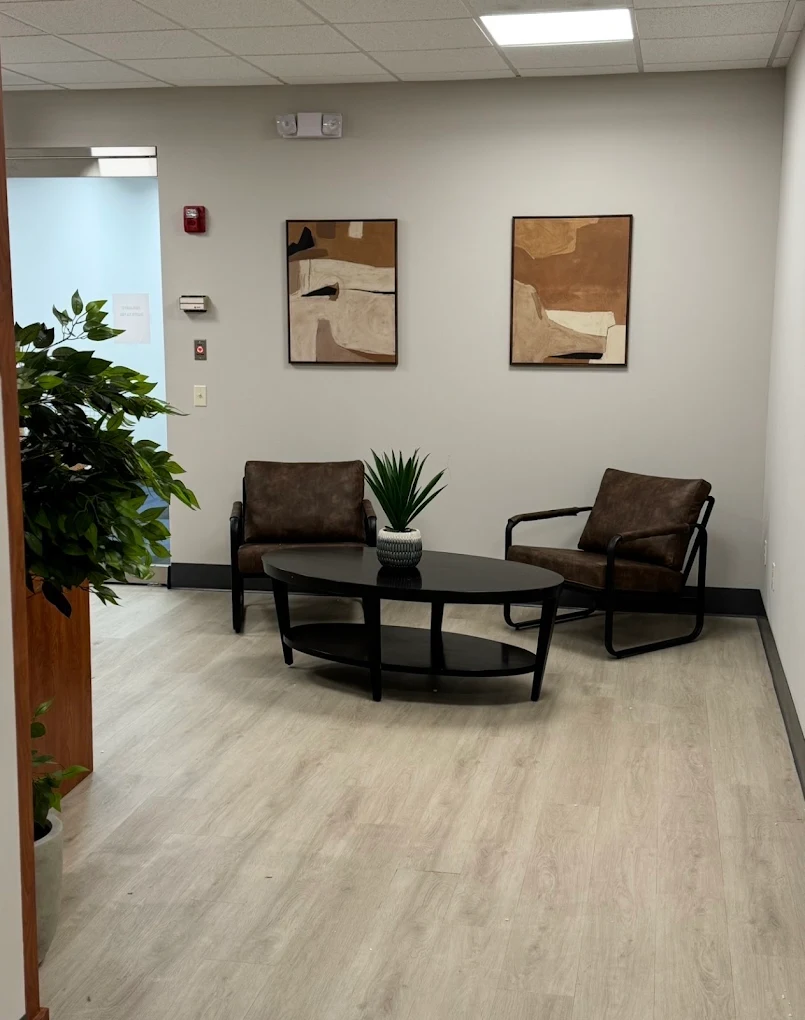
Holgate Mental Health operates in a warm, welcoming, non-clinical setting in Montvale, NJ, close to major roadways for adults throughout North Jersey and Downstate New York. Our center is designed to feel comfortable, professional, and private, giving you the breathing room you need to focus entirely on rebuilding your life.

Insurance Verification and Accessibility
Getting quality care should not be complicated by hidden costs or difficult paperwork. Holgate Mental Health works to keep the admissions process transparent and stress-free.
We accept a wide variety of insurance plans, including Blue Cross Blue Shield (BCBS), Beacon Health Options, and NYSHIP, with Tricare coverage coming soon. Our admissions team handles the verification process directly with your provider, explaining your benefits clearly before your care begins.
Frequently Asked Questions About Benzo Addiction in New Jersey
How do I know if I am dependent on benzodiazepines or just treating severe anxiety?
The easiest way to tell is by paying attention to what happens between doses. If you experience intense physical tremors, sweating, sensitivity to sound, muscle aches, and sudden spikes of panic a few hours before your next dose, your body has developed physical dependence. If your daily schedule now revolves around managing pill counts or getting early refills to stop those physical symptoms, dependency has taken hold.
What is the safest way to stop taking benzodiazepines?
Benzodiazepines should never be stopped abruptly because of the serious risk of seizures and cardiovascular complications. The safest approach is a slow, gradual taper supervised by a medical professional, which allows your brain chemistry to adjust incrementally. Pairing that medical taper with outpatient therapy gives you the emotional skills and guidance you need to manage anxiety during the transition.
How long does it take for your nervous system to feel normal again?
While the acute medical risks fade within the first couple of weeks of a completed taper, your natural calming systems take time to fully balance out. You might experience waves of light sleep, mild tension, or scattered focus for a few weeks or months. Engaging in structured therapy during this period helps you manage these passing sensations and prevents setbacks.
Can I stay in therapy while working with my doctor on a medication taper?
Yes. Participating in outpatient therapy while you are actively tapering with your physician provides steady support, practical tools for coping with stress, and clinical accountability, which greatly improves your chances of completing the process successfully.
Can I really learn to manage panic attacks without medication?
Yes. Even if it feels unimaginable right now, your body is fully capable of calming itself down. By practicing hands-on somatic tools, breath pacing, and thought reframing through DBT and CBT, you can train your brain to recognize that panic attacks are temporary and harmless, allowing you to regain control of your life without sedatives.
Take the First Step Toward Reclaiming Your Calm
Living in constant fear of the next missed dose, the next panic spike, or the next pharmacy refill is an exhausting way to spend your days. You do not have to live tethered to a pill bottle just to feel safe in your own skin. With practical, evidence-based therapy, compassionate clinical guidance, and peer support, you can retrain your mind and body to find authentic, lasting calm.
If you or someone you care about is struggling with benzo addiction in New Jersey, reach out to our team at Holgate Mental Health today. Contact our admissions specialists to schedule your confidential assessment and take your first step toward real nervous system freedom.
Our Treatments
Ready to Take the First Step?
Get the support you need to reclaim your life—personalized outpatient care, expert guidance, and a team that truly understands. Call Holgate Mental Health and Wellness today and take your first step forward.
Medically reviewed
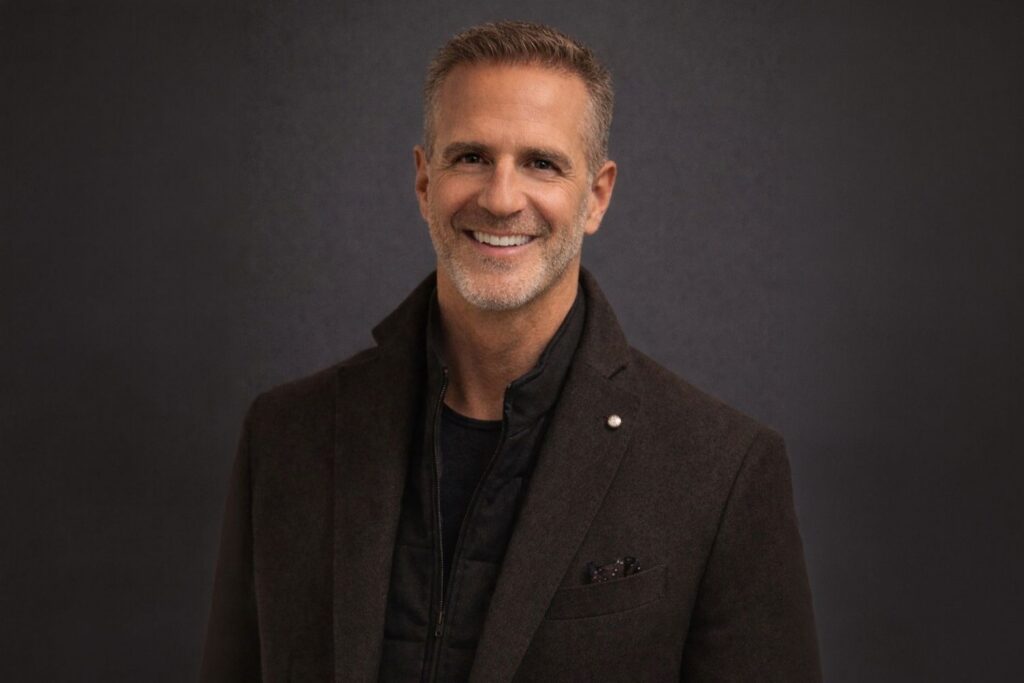
Dr. Jeffrey Simon
MD
Psychiatrist , Addiction Psychiatry, Child & Adolescent Psychiatry, and Adult Psychiatry
Profile Links
MEDICALLY REVIEWED BY:
Dr. Jeffrey Simon

Jeffrey Simon MD provides addiction medicine & psychiatric care to patients throughout New Jersey, Philadelphia & Delaware. Dr. Simon has affiliations with multiple treatment centers throughout the region. JHS MD provides advanced addiction psychiatry and mental health services under the leadership of Jeffrey Simon MD, a physician with specialized expertise in Addiction Psychiatry, Child & Adolescent Psychiatry, and Adult Psychiatry. The practice delivers evidence-based treatment for substance use disorders and co-occurring psychiatric conditions using individualized, patient-centered care.