
With 22 years in the mental health and recovery field, Natasha is dedicated to helping individuals build confidence, recognize their potential, and achieve lasting healing. She has experience across the criminal justice system, foster care, and child and adolescent mental health, with a primary focus on adults facing co-occurring mental health and substance use challenges. She was drawn to Holgate Mental Health for its person-centered approach, commitment to treating individuals with dignity and respect, and the team’s ability to provide compassionate, meaningful support.
THC Psychosis in New Jersey
Cannabis is widely perceived as a harmless botanical relaxant, but the modern legal marketplace bears little resemblance to the low-potency plant of previous generations. Today, dispensary shelves and illicit vape carts across the state feature hyper-concentrated oils, waxes, and distillates frequently testing between 70% and 90% delta-9-tetrahydrocannabinol (THC). For an increasing number of adults, introducing massive quantities of synthetic or refined cannabinoids into the human brain does not induce calm or euphoria. Instead, it triggers a catastrophic neurological break from reality characterized by unshakeable paranoia, acoustic hallucinations, and acute persecutory delusions. When someone experiences THC psychosis in New Jersey, the event is terrifying for both the individual and their family, who often watch a high-functioning adult suddenly become unrecognizable.
Navigating the aftermath of a cannabis-induced psychotic episode requires specialized psychiatric evaluation and structured outpatient care. At Holgate Mental Health in Montvale, NJ, our clinical team focuses on adult psychiatric stabilization, helping individuals distinguish between a temporary drug reaction and an emerging primary mood or thought disorder. We provide evidence-based, multidisciplinary care in a calm setting to restore cognitive clarity and rebuild personal stability.
How Modern High-Potency Cannabinoids Overload the Brain
The human brain relies on the endocannabinoid system to regulate mood, memory, sleep, stress response, and sensory perception. This delicate network functions through retrograde signaling, meaning natural neurotransmitters like anandamide act like fine-tuning dials to modulate neural communication. Plant-derived THC mimics anandamide by binding directly to cannabinoid type 1 (CB1) receptors, which are densely packed throughout the prefrontal cortex, hippocampus, and amygdala.
Natural cannabis historically contained roughly 2% to 4% THC balanced by significant amounts of cannabidiol (CBD), an antagonist that buffers psychotic tendencies. Modern concentrates, dabs, and high-potency vape cartridges flood the brain with pure THC, overwhelming CB1 receptors. This intense saturation causes a massive surge in dopamine transmission across the mesolimbic pathway, the identical biological mechanism observed in acute psychotic states. When dopamine firing becomes uncontrolled, the brain assigns intense, bizarre significance to everyday sights, sounds, and social interactions. A car parked outside becomes proof of government surveillance, and an ordinary glance from a coworker feels like a hostile threat.
What Does Cannabis-Induced Reality Distortion Look Like?
A psychotic episode rarely manifests as simple anxiety or a bad high. While panic makes someone fear for their immediate health, a psychotic break alters their fundamental perception of reality. Recognizing the distinct clinical symptoms of THC psychosis in New Jersey is essential for timely, life-saving intervention:
- Persecutory and Paranoid Delusions: Developing fixed, unshakeable convictions that friends, law enforcement, or invisible entities are actively plotting harm, tracking phone data, or watching through household electronics.
- Auditory and Sensory Hallucinations: Hearing muffled voices, whispering, footsteps, or repetitive noises when no acoustic sound exists, or perceiving shadows, visual flickers, and bodily sensations that have no physical source.
- Severe Depersonalization and Derealization: Experiencing a terrifying sensation of being disconnected from one’s own physical body or feeling convinced that the physical world is an artificial simulation or dream state.
- Disorganized Thought and Speech Patterns: Struggling to construct linear sentences, jumping rapidly between unrelated concepts, speaking in fragmented phrases, or exhibiting tangential reasoning that defies basic logic.
- Flat or Inappropriate Affect: Showing sudden emotional blunting, responding to distressing situations with blank stares, or reacting with unexplained rage, terror, or hysterical laughter.
Is It a Temporary Toxic Reaction or an Unmasked Psychiatric Disorder?
One of the most pressing questions families ask after a cannabis-induced break is whether the condition is permanent. In many instances, cannabis-induced psychosis resolves within 48 to 72 hours as the lipid-soluble cannabinoids clear from brain tissue. However, clinical research indicates that up to half of individuals who experience a verified cannabis-induced psychotic break eventually transition to a chronic condition, such as bipolar disorder with psychotic features or schizophrenia spectrum disorders.
THC acts as an environmental catalyst in genetically predisposed individuals, unmasking underlying vulnerabilities that might have otherwise remained dormant. When psychotic symptoms, cognitive disorganization, or social withdrawal persist long after the drug has left the bloodstream, an isolated drug reaction is not the only factor at play. A comprehensive psychiatric diagnostic evaluation is critical to ensure accurate differential diagnosis and prevent mislabeling a primary mental health disorder.
Cognitive Behavioral Interventions for Post-Psychotic Paranoia
Once an individual is medically stable, the psychological damage left behind by a psychotic episode is immense. Many adults develop post-psychotic depression, profound shame, and persistent social anxiety, constantly second-guessing whether their thoughts are real. Evidence-based psychotherapy forms the backbone of long-term cognitive restoration.
At Holgate Mental Health, our clinicians utilize Cognitive Behavioral Therapy (CBT) adapted for psychosis and paranoia. Under the direction of Clinical Director Natasha Davalt, LCADC, LAMFT, clients learn how to reality-test their automatic thoughts. CBT helps individuals examine the evidence behind their fears, separate chemical-induced paranoia from objective facts, and rebuild cognitive confidence. Through structured behavioral experiments and cognitive reframing, adults gradually re-engage with daily routines without feeling overwhelmed by suspicious thoughts.
Somatic Regulation and Trauma Resolution After a Break
Experiencing a break from reality is an inherently traumatic event. Losing control of one’s thoughts, enduring involuntary psychiatric holds, or waking up in an emergency department leaves the nervous system locked in chronic survival mode. If this shock is left unaddressed, the lingering fear of another episode can trigger debilitating panic attacks.
Our clinical team integrates specialized modalities to heal the nervous system:
- Dialectical Behavior Therapy (DBT): Equips clients with tangible distress tolerance tools, radical acceptance practices, and emotional regulation techniques to manage intense anxiety without turning to substances.
- Eye Movement Desensitization and Reprocessing (EMDR): Helps reprocess the terrifying visual, auditory, and somatic memories associated with the psychotic episode, discharging traumatic stress from the brain.
- Mindfulness and Somatic Grounding: Teaches clients how to anchor themselves safely in the physical environment using sensory grounding exercises, lowering nervous system reactivity.
- Family Psychoeducation: Rebuilds broken trust within the family system, educating loved ones on how to recognize early prodromal warning signs of relapse and establish clear safety protocols.
Clinical Safety and Comprehensive Psychiatric Management
Recovery from a psychotic reaction often requires temporary or long-term medication management to protect neurological functioning. Without proper clinical oversight, individuals who abruptly discontinue antipsychotic medications risk immediate symptom rebound or severe emotional dysregulation.
Holgate Mental Health incorporates dedicated psychiatric medication management and nursing oversight into our adult outpatient treatment plans. Registered nurses and psychiatric providers evaluate neurotransmitter stabilization, monitor medication side effects, and safely adjust prescriptions as brain pathways heal. When underlying conditions such as bipolar disorder, severe major depression, or chronic anxiety are present, our clinicians craft coordinated medication regimens that treat the root condition safely.

Outpatient Structure Designed for Healing and Daily Life
A psychotic episode does not mean an adult must disappear from their life, family, or career indefinitely. For individuals who are medically stable and do not require 24-hour acute psychiatric containment, structured outpatient programming offers the ideal balance of intensive clinical care and personal independence.
Holgate Mental Health provides structured day programs for adults recovering from THC psychosis in New Jersey:
- Partial Hospitalization Program (PHP): A daytime program meeting five days a week, providing intensive daily psychotherapy, psychiatric care, and structured skill-building while allowing clients to sleep in their own homes each night.
- Intensive Outpatient Program (IOP): A step-down level of care meeting three to five days weekly for several hours per day, offering flexible scheduling for adults returning to professional and educational obligations.
- Compassionate Non-Clinical Environment: A private, welcoming facility located in Montvale, NJ, that eliminates the cold, institutional atmosphere often found in traditional hospital wings.
Health Insurance and Admissions in Bergen County
Quality psychiatric care must be accessible, predictable, and transparent. Holgate Mental Health works with adults across Bergen County, North Jersey, and Southern Tier New York to make care seamless.
Our admissions department works directly with major insurance plans, including Blue Cross Blue Shield (BCBS), Beacon Health Options, and NYSHIP, with Tricare coverage coming soon. Our specialists verify your benefits, explain your coverage limits, and handle the administrative paperwork before treatment begins so your family can focus entirely on clinical healing.
Frequently Asked Questions About THC-Induced Psychosis
How does THC psychosis differ from a standard panic attack?
A severe panic attack causes intense physical distress, such as hyperventilation, a racing pulse, and a fear of dying, but the individual remains grounded in reality. In contrast, psychosis involves a fundamental break from reality, where the person genuinely hears non-existent sounds, sees hallucinations, or forms impossible beliefs, such as believing they possess superhuman powers or are being targeted by secret agencies.
Can you experience psychosis from legal dispensary products?
Yes. Legalization regulates product purity and labeling, but it does not remove the psychiatric risks of high-concentration THC. In fact, regulated dispensaries often sell products with extremely high THC concentrations, such as 90% shatter, live rosin, and vape carts, which carry a substantially higher risk of triggering psychotic reactions than traditional low-potency flower.
How long does cannabis-induced psychosis typically last?
In acute cases, symptoms begin to fade within 24 to 72 hours as THC is metabolized out of the body. However, when high doses or concentrated synthetic cannabinoids are involved, residual paranoia, mood volatility, and cognitive disorganization can linger for several weeks, requiring formal psychiatric intervention.
What should I do if a family member is having an active psychotic episode?
Prioritize immediate physical safety. Keep the environment quiet, dim the lights, speak in a calm, non-confrontational voice, and avoid arguing with or trying to disprove their delusions. If the person is disoriented, highly agitated, or posing a physical danger to themselves or others, take them to the nearest emergency room or call emergency services for immediate crisis stabilization.
Can a person ever use cannabis again after experiencing THC-induced psychosis?
No. Resuming cannabis use after a drug-induced psychotic event carries an extraordinarily high rate of immediate relapse, often with longer and more severe symptoms. Complete abstinence from cannabinoids is the single most effective way to prevent recurrence and protect long-term cognitive health.
Restore Your Clarity and Take Back Control Today
A cannabis-induced psychotic break can shatter your confidence, disrupt your family, and leave you questioning your own mind. You do not have to navigate this vulnerable recovery journey in silence, fear, or confusion. With targeted psychiatric care, evidence-based therapy, and compassionate support, the human brain can heal, stabilize, and regain lasting clarity.
If you or an adult you love has experienced THC psychosis in New Jersey, contact the clinical admissions team at Holgate Mental Health today. Schedule a confidential assessment and take the first step toward reclaiming your peace of mind.
Our Treatments
Ready to Take the First Step?
Get the support you need to reclaim your life—personalized outpatient care, expert guidance, and a team that truly understands. Call Holgate Mental Health and Wellness today and take your first step forward.
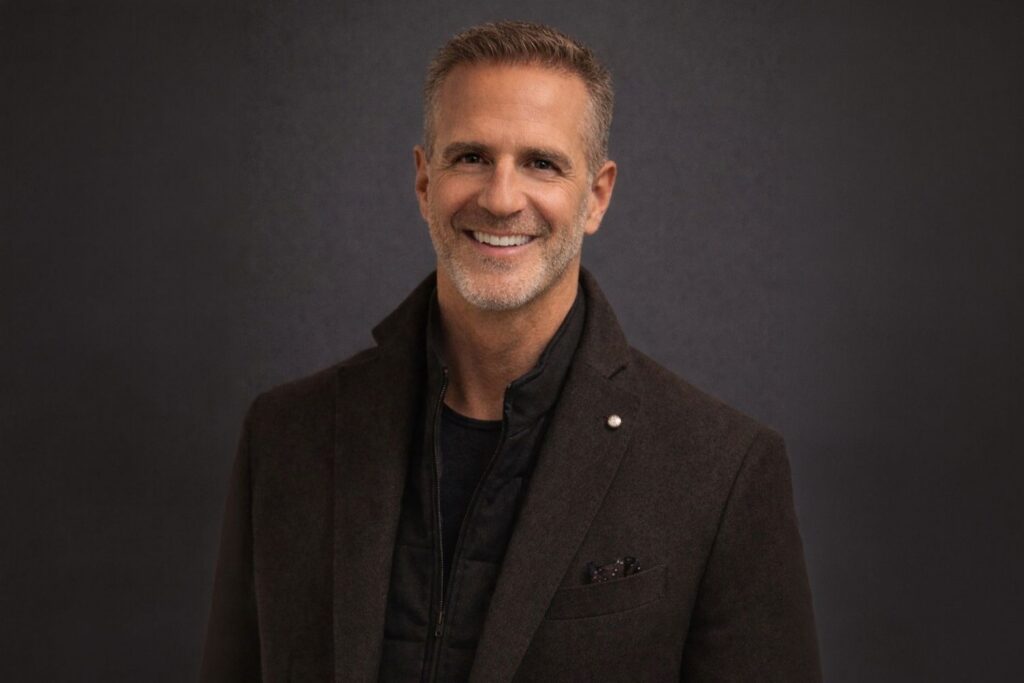
Medically reviewed
Dr. Jeffrey Simon
MD
Psychiatrist , Addiction Psychiatry, Child & Adolescent Psychiatry, and Adult Psychiatry
Profile Links
MEDICALLY REVIEWED BY:
Dr. Jeffrey Simon

Jeffrey Simon MD provides addiction medicine & psychiatric care to patients throughout New Jersey, Philadelphia & Delaware. Dr. Simon has affiliations with multiple treatment centers throughout the region. JHS MD provides advanced addiction psychiatry and mental health services under the leadership of Jeffrey Simon MD, a physician with specialized expertise in Addiction Psychiatry, Child & Adolescent Psychiatry, and Adult Psychiatry. The practice delivers evidence-based treatment for substance use disorders and co-occurring psychiatric conditions using individualized, patient-centered care.